Blog
Stay updated with the latest news, regulations, and insights about wine labeling and compliance.
Fortified & Aromatised Wine Labels: EU Rules for Port, Sherry & Vermouth
Complete guide to EU labelling rules for fortified wines (Port, Sherry, Marsala, Madeira) and aromatised wines (Vermouth). Two different regulatory frameworks, one set of e-label requirements.

ScanThisWine Team
Selling Wine in the UK After Brexit: Do You Need an E-Label?
The UK is no longer bound by EU wine labelling rules, including the e-label requirement. Here is what UK wine regulations actually require, how to handle dual EU/UK markets, and why a QR code still makes sense for both.
ScanThisWine Team
EU Wine E-Label Compliance in Spain: A Complete Guide for Spanish Bodegas
Spain is the world's third-largest wine producer, and every bodega must now comply with EU e-label rules. Here is what Spanish producers need to know about regulations, enforcement, packaging requirements, and how to get compliant fast.
ScanThisWine Team
Organic & Natural Wine Labelling: EU Ingredient Rules You Should Know
Organic and natural wines still fall under EU labelling law. This guide covers which additives are allowed, sulphite limits, the EU organic logo, and how shorter ingredient lists can become a marketing advantage.
ScanThisWine Team
E-Label Language Requirements: Which Languages Do You Actually Need?
EU wine e-labels must be available in the official language(s) of every member state where the wine is sold. Here's exactly what that means, which languages each country requires, and how to handle it without losing your mind.
ScanThisWine Team
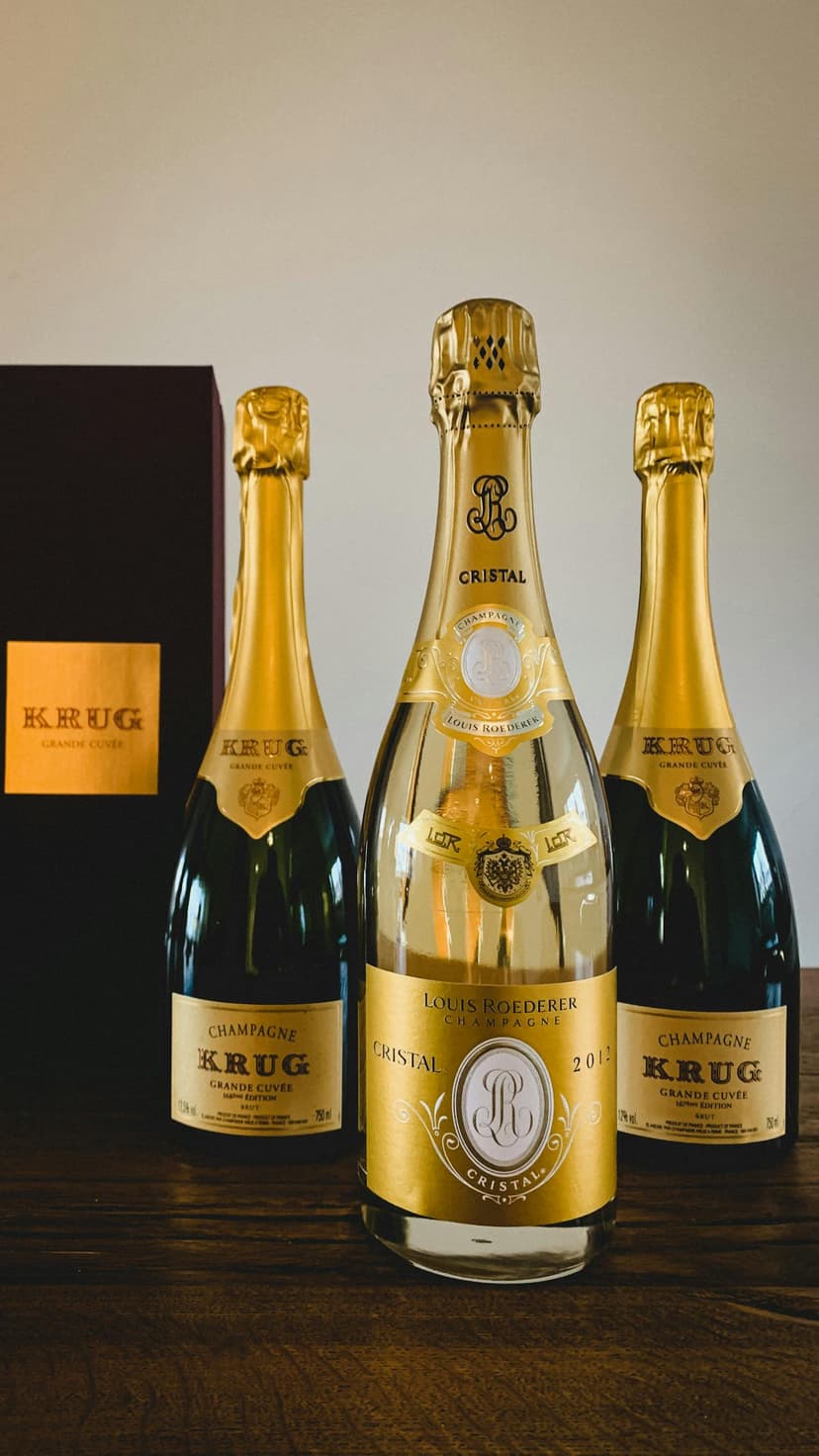
Sparkling Wine E-Labels: Prosecco, Cava & Champagne Compliance Guide
Sparkling wines have unique e-label requirements: second fermentation ingredients, sugar category declarations, and dosage liqueur disclosure. This guide covers compliance for Champagne, Prosecco, Cava, Cremant, and Sekt.
ScanThisWine Team
EU Wine E-Label Compliance in Italy: What Italian Winemakers Must Know
Italy is the world's largest wine producer and faces unique e-label challenges. This guide covers EU e-label rules, Italy's mandatory recycling requirements, ICQRF enforcement, and how to comply without the headache.
ScanThisWine Team
How to Calculate Wine Energy Values for EU Labels (With Formula & Examples)
Step-by-step guide to calculating energy values (kJ and kcal) for EU wine labels using the official formula from alcohol and residual sugar, with worked examples for dry, sweet, and sparkling wines.
ScanThisWine Team
Wine Allergen Labelling: Sulphites, Egg & Milk Rules Explained
Definitive guide to wine allergen labelling in the EU: which allergens must be declared, what the law actually says, and how to get it right on both the physical label and the e-label.
ScanThisWine Team
Exporting Wine to the EU? E-Label Requirements for Non-EU Producers
If you export wine to the European Union, your bottles must meet EU labelling requirements, including e-labels. Here is what non-EU producers in the US, Australia, Chile, Argentina, South Africa, and New Zealand need to know.
ScanThisWine Team
What Happens If Your Wine Labels Aren't EU Compliant? Fines, Recalls & How to Fix It
Non-compliant wine labels can lead to fines, product recalls, and lost market access across the EU. Here's what the regulations say, what enforcement looks like, and how to fix it fast.
ScanThisWine Team
Wine Ingredients on Labels: EU Rules & Examples
Clear guide to EU wine ingredient labeling: what must appear, exact wording, and how to handle tricky cases like processing aids and fining agents.
ScanThisWine Team
EU Wine Labels: The 2025 Compliance Checklist
What goes on the bottle, what goes in the QR e‑label—and how to get it all done in ~5 minutes using one form. Recycling notes included (Italy).
ScanThisWine Team
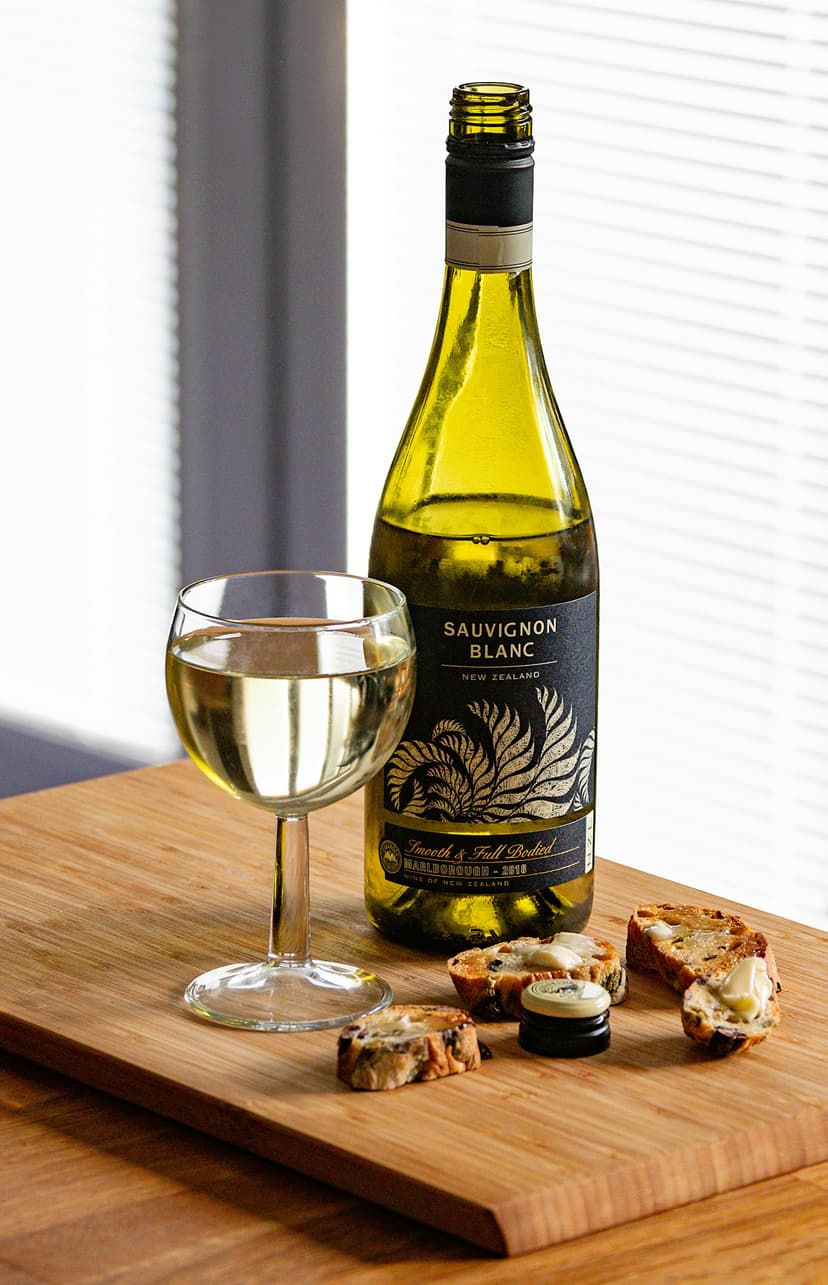
Create a Compliant Wine E‑Label in 3 Steps (Free)
Fill one form, get a compliant, multilingual QR e‑label. Automatic nutrition, translations, and an SVG/PNG QR—no tracking, no fees.
ScanThisWine Team
QR Codes & EU Wine Labels: What You Need to Know
The wine industry is entering a new era of transparency. With EU wine labeling regulations in force as of December 2023, producers must provide consumers with more detailed product information than ever before.
ScanThisWine Team
E-Labels for Wine: What They Are and Why Winemakers Need Them
Discover how the new EU wine labeling regulations are changing the industry and why e-labels with QR codes are becoming essential for winemakers. Learn about compliance requirements and the benefits of digital wine labels.
ScanThisWine Team
Understanding the New EU Wine Label Regulations: A Simple Guide
The European Union has introduced significant changes to wine labeling rules, marking a new era of transparency for consumers. These new regulations are designed to provide more comprehensive information about the wine you drink.
ScanThisWine Team