How to Calculate Wine Energy Values for EU Labels (With Formula & Examples)
Step-by-step guide to calculating energy values (kJ and kcal) for EU wine labels using the official formula from alcohol and residual sugar, with worked examples for dry, sweet, and sparkling wines.

Why Energy Values Are Required on Wine Labels
Regulation (EU) 2021/2117 brought wine into line with general food labelling rules. Since 8 December 2023, all wines from the 2024 harvest onward must display a nutrition declaration, including the energy value.
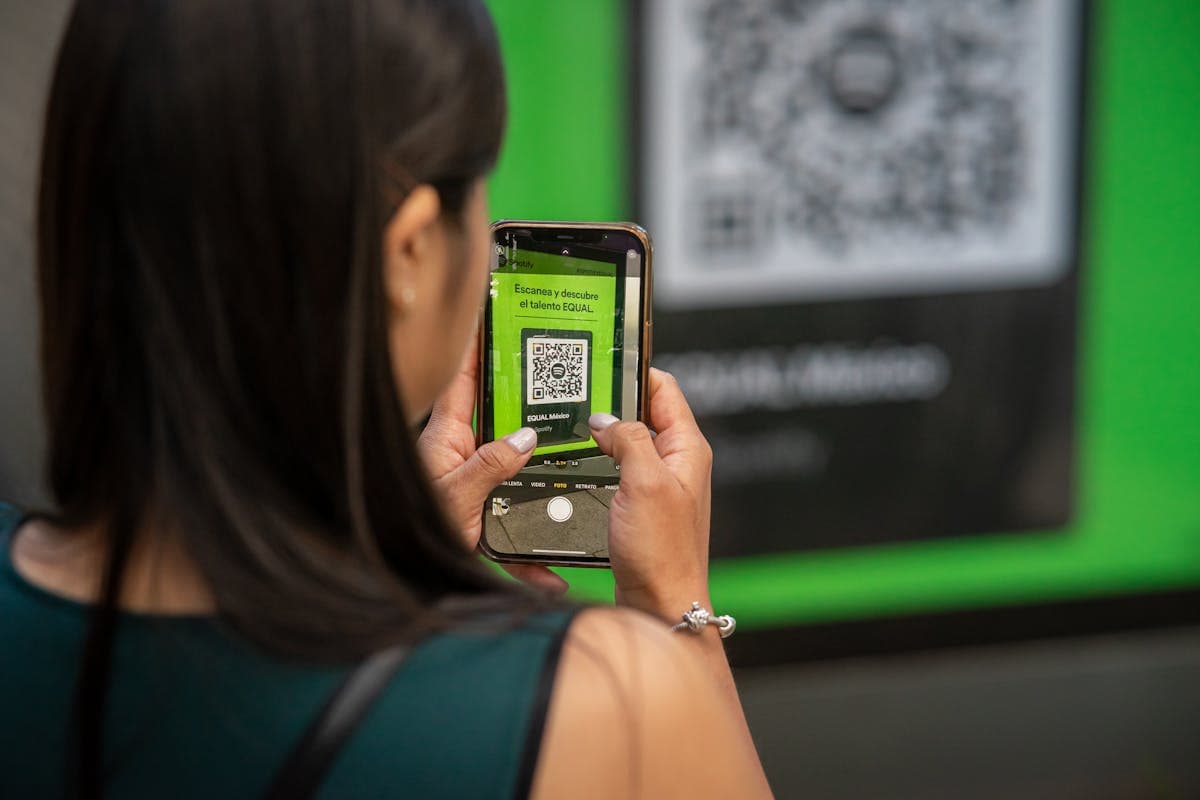
The energy value must always appear on the physical label, even if you provide the rest of the nutrition table via an e-label (QR code). On the bottle itself, you can use the shorthand "E" symbol followed by the value in kJ and kcal per 100 ml. The full nutrition table, including fat, carbohydrates, sugars, protein, and salt, goes on the e-label.
The calculation method follows Regulation (EU) No 1169/2011 (the Food Information to Consumers regulation, often called "FIC"), specifically Annex XIV, which defines the energy conversion factors for each nutrient.
The Formula: Step by Step
Wine energy comes from two sources: alcohol and residual sugar. Fat, protein, and salt are typically negligible in wine. Here is the formula for 100 ml of wine.
Step 1 - Energy from Alcohol
Alcohol (g per 100 ml) = ABV% x 0.789
Energy from alcohol    = Alcohol (g) x 29 kJ/g
The factor 0.789 is the density of ethanol in g/ml. The factor 29 kJ/g is the EU conversion factor for alcohol (Annex XIV, Regulation 1169/2011).
Step 2 - Energy from Residual Sugar
Sugar (g per 100 ml)  = Residual sugar (g/L) / 10
Energy from sugar     = Sugar (g) x 17 kJ/g
The factor 17 kJ/g is the EU conversion factor for carbohydrates.
Step 3 - Total Energy
Total energy (kJ)   = Energy from alcohol + Energy from sugar
Total energy (kcal)  = Total energy (kJ) / 4.184
Step 4 - Rounding
EU rounding rules (Annex XV, Regulation 1169/2011) require energy values to be rounded to the nearest whole number. For the on-bottle declaration, report both kJ and kcal.
Worked Example 1: Dry Red Wine (13.5% ABV)
A classic dry red with 13.5% ABV and negligible residual sugar (2 g/L).
Alcohol energy:
- 13.5 x 0.789 = 10.65 g alcohol per 100 ml
- 10.65 x 29 = 308.9 kJ
Sugar energy:
- 2 / 10 = 0.2 g sugar per 100 ml
- 0.2 x 17 = 3.4 kJ
Total:
- 308.9 + 3.4 = 312.3 kJ --> rounded to 312 kJ
- 312.3 / 4.184 = 74.6 kcal --> rounded to 75 kcal
On-bottle declaration: E 312 kJ / 75 kcal
Worked Example 2: Sweet White Wine (11% ABV, 45 g/L Residual Sugar)
A late-harvest or demi-sec style white with noticeable sweetness.
Alcohol energy:
- 11 x 0.789 = 8.68 g alcohol per 100 ml
- 8.68 x 29 = 251.7 kJ
Sugar energy:
- 45 / 10 = 4.5 g sugar per 100 ml
- 4.5 x 17 = 76.5 kJ
Total:
- 251.7 + 76.5 = 328.2 kJ --> rounded to 328 kJ
- 328.2 / 4.184 = 78.4 kcal --> rounded to 78 kcal
On-bottle declaration: E 328 kJ / 78 kcal
Notice how the sweet wine at lower ABV ends up with a slightly higher energy value than the dry red, because sugar adds significant energy.
Worked Example 3: Sparkling Wine (12% ABV)
A Brut sparkling wine with around 8 g/L residual sugar (typical for Brut).
Alcohol energy:
- 12 x 0.789 = 9.47 g alcohol per 100 ml
- 9.47 x 29 = 274.6 kJ
Sugar energy:
- 8 / 10 = 0.8 g sugar per 100 ml
- 0.8 x 17 = 13.6 kJ
Total:
- 274.6 + 13.6 = 288.2 kJ --> rounded to 288 kJ
- 288.2 / 4.184 = 68.9 kcal --> rounded to 69 kcal
On-bottle declaration: E 288 kJ / 69 kcal
Quick Reference Table: Energy Values by ABV
The table below assumes dry wine with negligible residual sugar (2 g/L). Real values will be slightly higher for wines with more residual sugar.
| ABV (%) | Alcohol (g/100 ml) | Energy (kJ/100 ml) | Energy (kcal/100 ml) |
|---|---|---|---|
| 9.0 | 7.10 | 209 | 50 |
| 10.0 | 7.89 | 232 | 55 |
| 11.0 | 8.68 | 255 | 61 |
| 11.5 | 9.07 | 267 | 64 |
| 12.0 | 9.47 | 278 | 66 |
| 12.5 | 9.86 | 289 | 69 |
| 13.0 | 10.26 | 301 | 72 |
| 13.5 | 10.65 | 312 | 75 |
| 14.0 | 11.05 | 324 | 77 |
| 14.5 | 11.44 | 335 | 80 |
| 15.0 | 11.84 | 347 | 83 |
| 15.5 | 12.23 | 358 | 86 |
Values include 2 g/L residual sugar and are rounded per EU rules.
Physical Label vs. E-Label: What Goes Where?
On the physical bottle label (mandatory):
- Energy value using the "E" symbol, in kJ and kcal per 100 ml
- Allergen declarations (e.g., "Contains sulphites")
On the e-label (full nutrition table):
- Energy value (kJ and kcal)
- Fat (of which saturates)
- Carbohydrate (of which sugars)
- Protein
- Salt
For most wines, fat, protein, and salt are 0 g (or < 0.5 g), and carbohydrate equals the residual sugar content. The energy value is the one number that requires a proper calculation.
Frequently Asked Questions
Do I need to send my wine to a lab for the energy calculation? No. EU regulations allow energy values to be calculated from known analysis data, specifically ABV and residual sugar. The conversion factors (29 kJ/g for alcohol, 17 kJ/g for carbohydrates) are defined in Annex XIV of Regulation 1169/2011. Laboratory analysis is not required for the energy calculation, though you do need accurate ABV and sugar figures from your winery analysis.
What about organic acids, glycerol, and other minor components? In practice, the EU accepts a simplified calculation based on alcohol and sugar for wine. Organic acids (4-5 g/L in most wines, at 13 kJ/g under Annex XIV) contribute a small amount of energy, but the accepted industry practice for wine labelling is to calculate from alcohol and sugar. If you want maximum precision, you can include organic acids and glycerol, but this is not required.
How do I round the values correctly? Round energy values to the nearest whole number of kJ and kcal. If the calculation gives 312.3 kJ, report 312 kJ. If it gives 74.6 kcal, report 75 kcal. These rounding rules come from Annex XV of Regulation 1169/2011.
Is the energy value per 100 ml or per serving? EU wine labelling uses per 100 ml only. Unlike some food categories, wine does not require a per-serving declaration. All values on the e-label nutrition table are expressed per 100 ml.
Let ScanThisWine Do the Maths
The formula is simple but repetitive across a full portfolio. ScanThisWine does this calculation automatically. Enter ABV and residual sugar, and the platform produces correctly rounded kJ/kcal values, the on-bottle energy declaration, and a full nutrition e-label in all 24 EU languages.
Enter your wine data and get a compliant e-label free at ScanThisWine.